

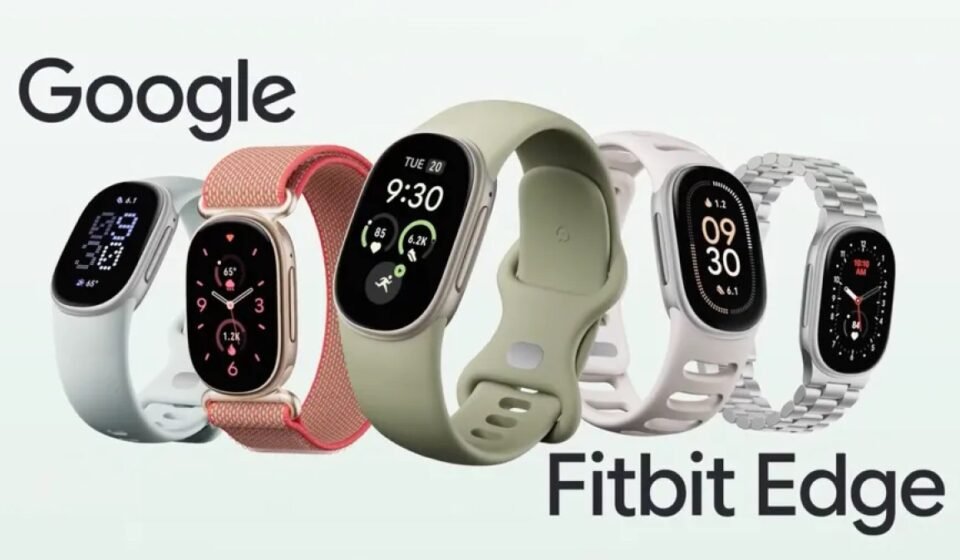

Google has officially launched the Fitbit Edge, a new fitness tracker designed for users who want advanced health monitoring without wearing a bulky smartwatch. Announced on October 12, 2026, the wearable combines a slim aluminium design with an OLED display, built-in GPS, advanced health sensors and access to Google’s AI-powered Health Coach.
The Fitbit Edge sits between the screenless Fitbit Air and Google’s Pixel Watch lineup. It aims to deliver essential fitness information, health insights and everyday smart features in a lightweight form factor that can be worn throughout the day and night.
Google is positioning the device as its most advanced dedicated fitness tracker yet, with features such as ECG readings, sleep tracking, workout guidance and a replaceable battery. The company says the wearable can last up to seven days on a single charge, making it suitable for users who want continuous health and activity tracking without daily charging.
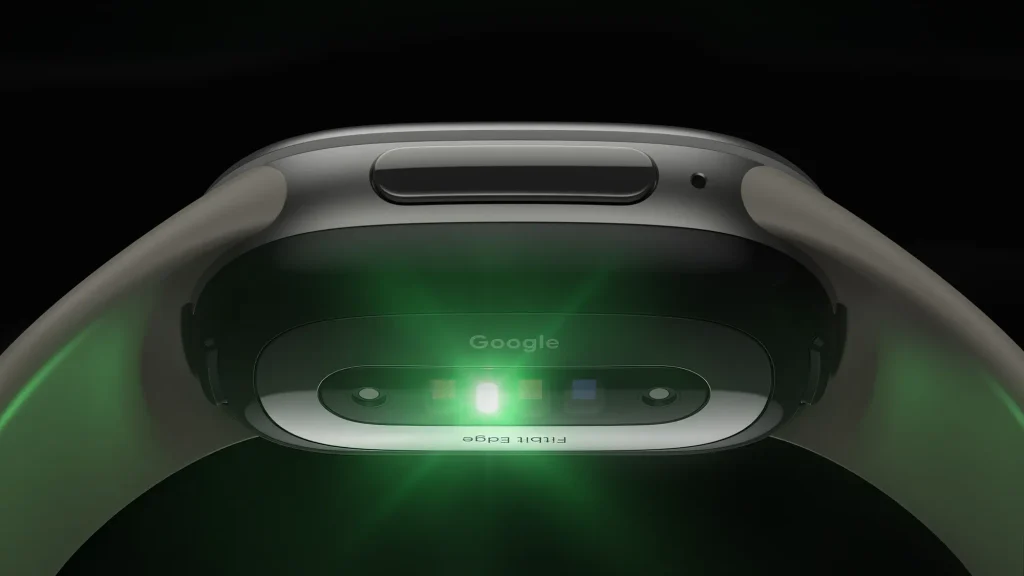
Google Fitbit Edge Price and Availability
The Google Fitbit Edge is priced at $179.99 in the United States. It is available for pre-order through the Google Store and selected retail partners, with retail sales scheduled to begin on October 27, 2026.
The standard model comes in four finishes: Obsidian with a matte black case, Fog with a polished silver case, Olive with a satin pyrite case, and Canyon with a warm gold case. Buyers can also customise the tracker with interchangeable bands designed for exercise, everyday wear and more formal occasions.
Google has additionally announced a Stephen Curry Special Edition Fitbit Edge priced at $219.99. Developed with the basketball star and Google Performance Advisor, this version features distinctive colours inspired by Curry’s style and basketball identity.
Purchases include three months of Google Health Premium, which unlocks additional coaching and personalised health features. Continued access to subscription-dependent tools requires a paid membership after the promotional period.
Google has not confirmed an India launch date or official Indian pricing for the Fitbit Edge.
Slim Design With a Larger OLED Display
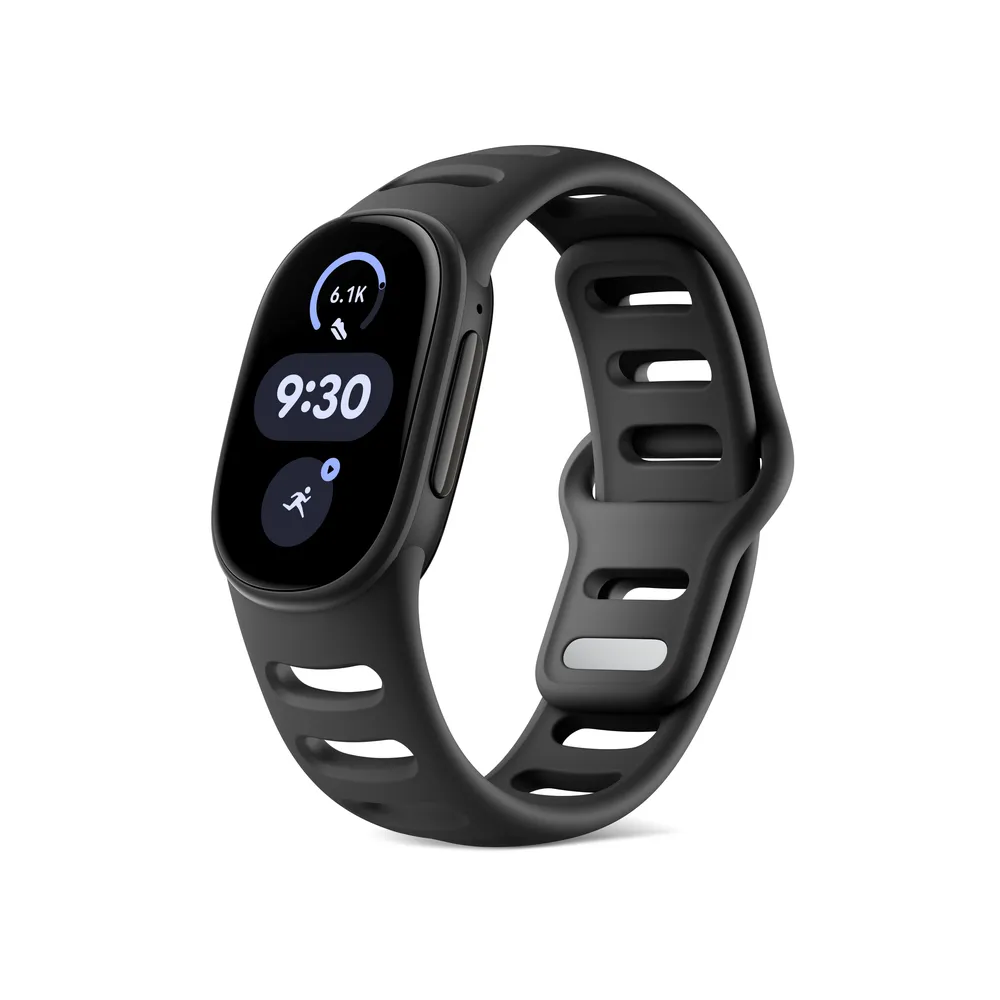
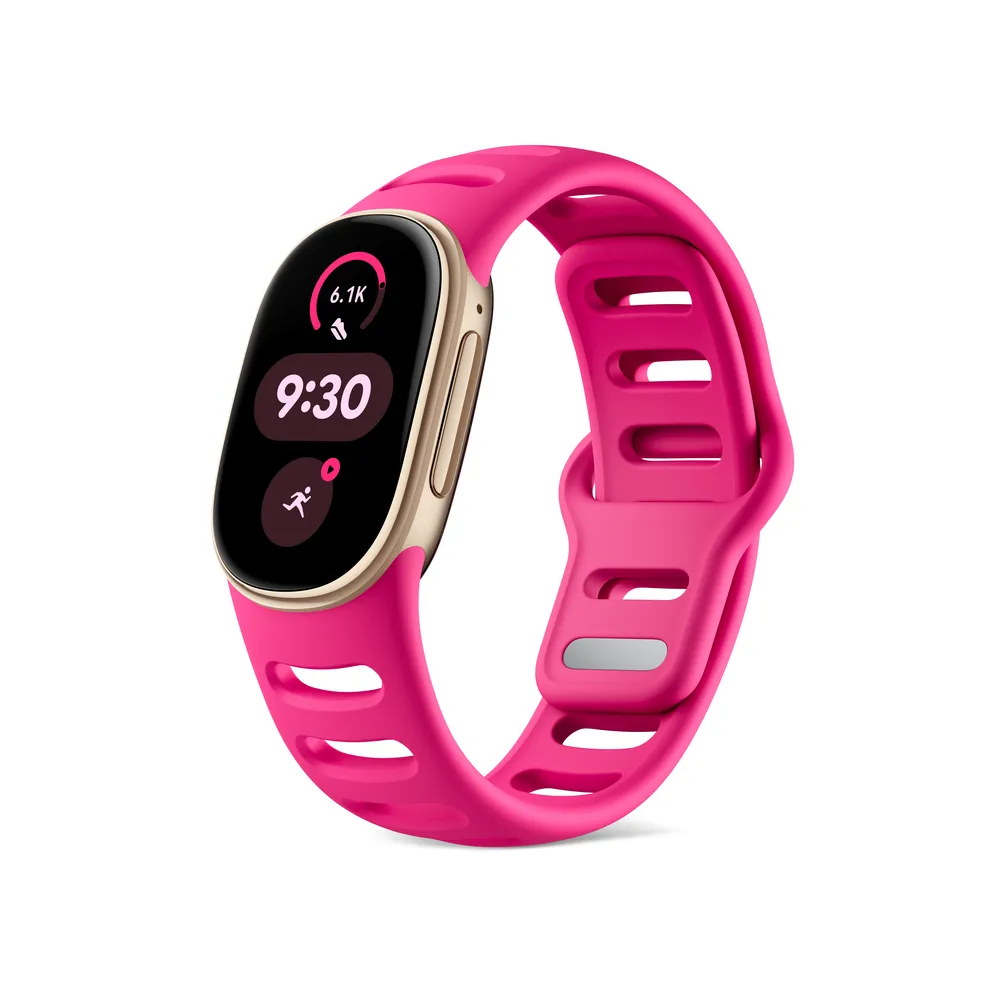
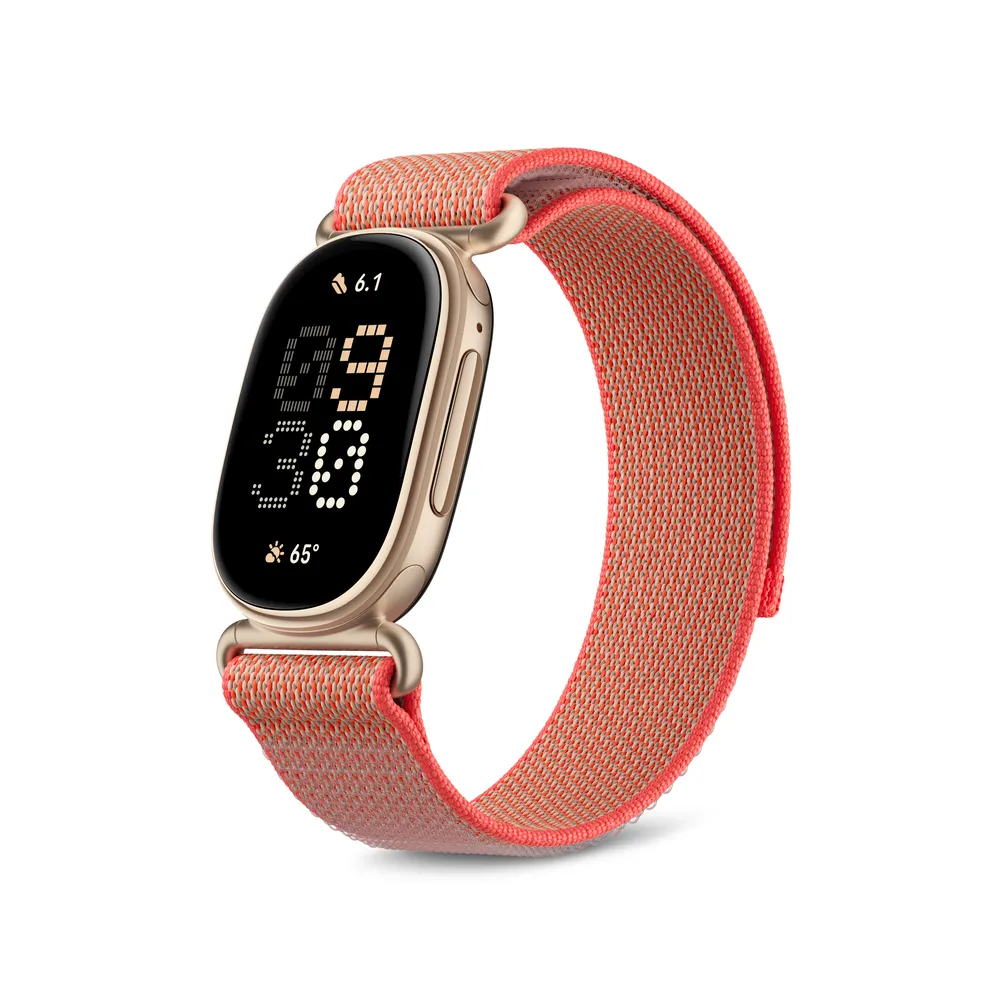
One of the biggest changes is the addition of a display to a lightweight fitness tracker. The Fitbit Edge features a Hybrid OLED screen that Google says offers 46% more viewing area than previous Fitbit trackers.
The display presents information through glanceable tiles and customisable clock faces, allowing users to check steps, weather, heart rate and workout information without navigating complicated menus.
A redesigned physical side button provides tactile controls for actions such as pausing a workout. This is particularly useful during exercise, when interacting with a touchscreen may be inconvenient.
The device measures just 11.5mm thick and uses a housing made with recycled aluminium. Google says it is 45% lighter than the Apple Watch Series 12, highlighting its focus on comfort during extended wear.
The Fitbit Edge also supports interchangeable bands, including Active Sport, Performance Loop, Magnet and Metal Links options. This gives users flexibility to switch between exercise-focused straps and more premium-looking accessories.
Advanced Fitness Tracking and Built-In GPS
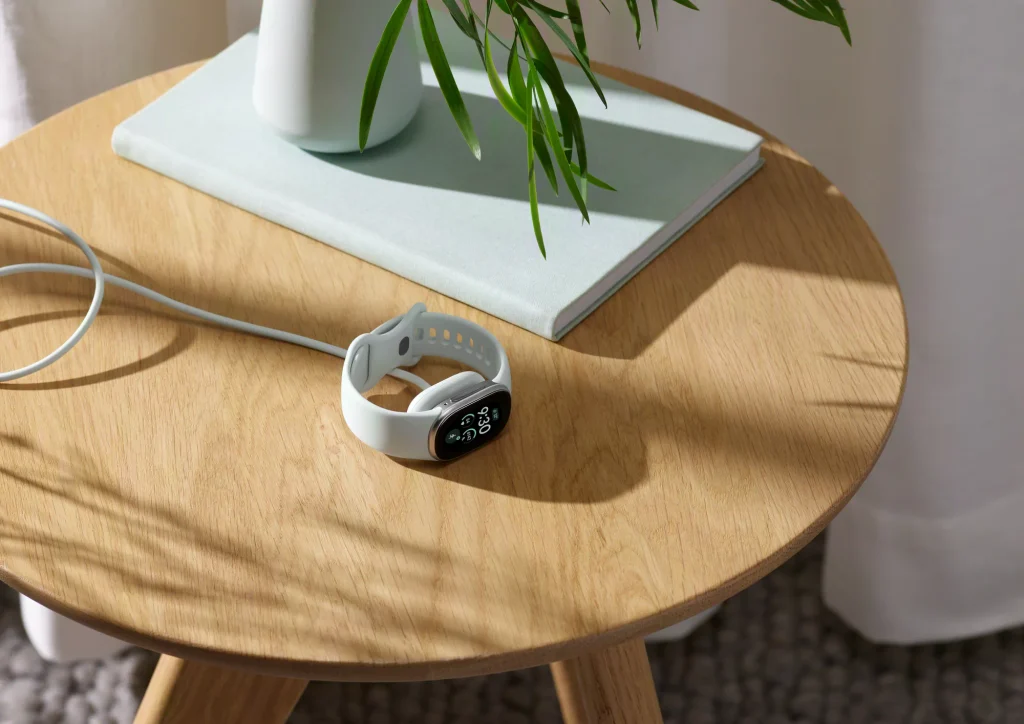
The Fitbit Edge is designed to provide detailed workout information directly from the wrist. Its exercise app supports more than 50 exercise modes, with real-time guidance intended to help users monitor their performance and stay on track with fitness goals.
The tracker can automatically detect up to 100 physical activities, reducing the need to start every workout manually. Built-in GPS allows users to record outdoor activities such as running and walking without relying entirely on a connected smartphone.
Google also claims that GPS accuracy has improved by 40% compared with previous models. This could be useful for runners and walkers who depend on distance and route measurements to evaluate their progress.
Other features include an altimeter for tracking elevation-related information, heart-rate monitoring and workout summaries. The wearable is also designed to work with Google Health Coach, which can use activity data and personal goals to provide tailored exercise recommendations.
Actual tracking accuracy will depend on factors such as location, signal conditions, fit and the type of activity being recorded.
Health Monitoring Includes ECG and Sleep Insights
Beyond fitness, the Fitbit Edge includes sensors intended to provide a broader picture of everyday health and recovery.
The wearable supports on-wrist ECG assessments, which can record information about heart rhythm. It also includes continuous optical heart-rate monitoring and a dedicated skin-temperature sensor that tracks overnight fluctuations.
Sleep tracking combines sleep-stage analysis with heart-rate variability and other measurements to generate recovery insights. These features are designed to help users understand patterns in their rest and activity over time.
Google’s Health Guardian features are intended to highlight notable changes in selected health and wellness measurements, including blood-pressure trends, insulin-resistance trends and unusually high or low heart rates.
These tools should be understood as wellness features rather than substitutes for medical testing. The device cannot independently diagnose conditions, and users with concerning symptoms should seek advice from a qualified healthcare professional.
Some of the more advanced health insights and personalised guidance require Google Health Premium. Availability can also vary by region and feature.
Google Health Coach Brings AI-Powered Guidance
The Fitbit Edge integrates with Google’s Health Coach, an AI-powered coaching experience designed to make health and fitness information more actionable.
Rather than simply displaying numbers, the coach can use a user’s activity, sleep and recovery patterns to offer personalised suggestions and help create weekly exercise plans. These recommendations can be adapted around the user’s schedule and changing goals.
For example, someone working towards a running goal may use the coaching experience to organise workouts and understand how sleep and recovery relate to training. Users seeking more consistent routines can also receive guidance based on their activity patterns.
The service requires Google Health Premium, the Google Health app and an internet connection. As with other AI-powered features, users should review recommendations carefully rather than treating them as medical advice.
The integration represents Google’s broader strategy of combining wearable hardware, health data and AI assistance in a connected ecosystem.
Battery Life, Charging and Durability
Battery life is another major selling point. Google claims that the Fitbit Edge can last up to seven days on a single charge, depending on settings and usage.
The tracker supports magnetic fast charging, with the company claiming that five minutes of charging can provide up to a full day of battery life. Using the always-on display or other power-intensive features can reduce overall endurance.
For durability, the Fitbit Edge is water-resistant up to 50 metres, making it suitable for swimming and many water-based activities within the manufacturer’s usage guidelines.
It is also Google’s first repairable fitness tracker, featuring a modular internal design and a replaceable battery. This approach could help extend the product’s useful life and reduce the need to replace the entire device when its battery eventually degrades.
Fitbit Edge vs Fitbit Air and Pixel Watch
The Fitbit Edge fills a specific gap in Google’s wearable lineup. Fitbit Air focuses on screenless, low-distraction tracking, while the Pixel Watch offers a more comprehensive smartwatch experience.
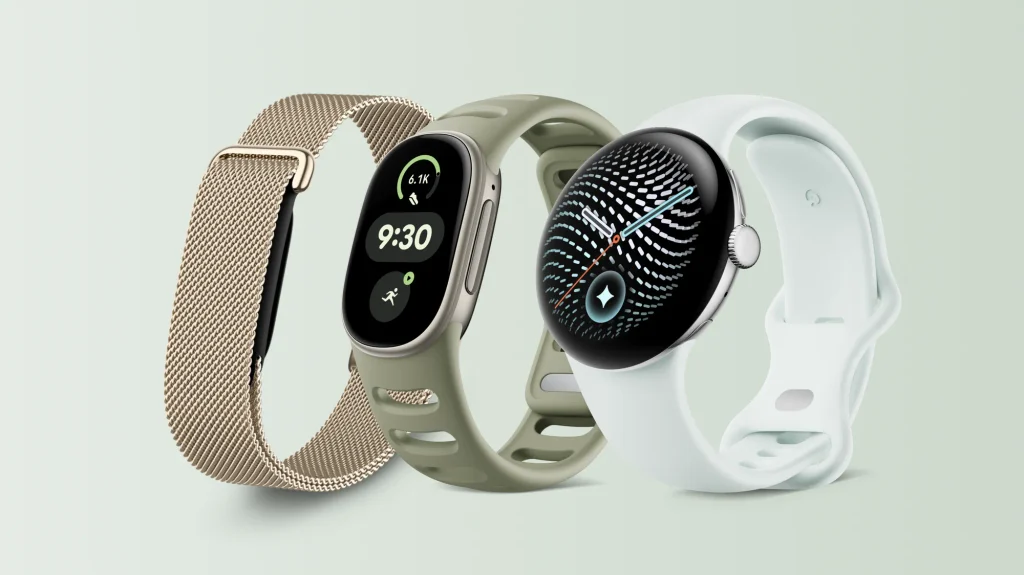
The Edge combines the slim profile of a fitness band with a display, GPS, notifications, Google Maps support, media controls and advanced health monitoring.
It does not run Wear OS, so buyers should not expect the same app experience as a Pixel Watch. Instead, it prioritises fitness information and essential everyday features without attempting to replicate a full smartwatch.
At $179.99, it may appeal to people who want more information on their wrist than a basic tracker provides but do not need a large screen or the extensive features of a smartwatch.
Conclusion
The Google Fitbit Edge introduces a new middle ground in Google’s wearable range. Its OLED display, built-in GPS, ECG capability, AI coaching and seven-day battery claim make it a substantial upgrade in functionality over a simple screenless tracker.
Its repairable construction and interchangeable accessories add practical benefits, while the Google Health Premium subscription unlocks more advanced personalised coaching.
However, buyers should consider the ongoing subscription cost and remember that the device is not a medical diagnostic tool. India pricing and availability also remain unannounced.
For users seeking a lightweight fitness tracker with richer health insights and convenient on-wrist information, the Fitbit Edge is a noteworthy addition to Google’s wearable ecosystem.
What is the price of the Google Fitbit Edge?
The Google Fitbit Edge is priced at $179.99 in the US. The Stephen Curry Special Edition costs $219.99. India pricing and availability have not yet been announced.
What are the key features of the Fitbit Edge?
The Fitbit Edge features an OLED display, built-in GPS, ECG readings, heart-rate monitoring, sleep tracking, more than 50 exercise modes and AI-powered coaching through Google Health Coach.
How long does the Fitbit Edge battery last?
Google claims up to seven days of battery life on a single charge. A five-minute charge can provide up to a day of use, depending on settings and usage.
Does the Google Fitbit Edge support AI health coaching?
Yes. The tracker integrates with Google Health Coach, which offers personalised fitness guidance and workout planning based on activity, sleep and recovery data. Advanced coaching features require a Google Health Premium subscription.
Is the Google Fitbit Edge suitable for swimming?
Yes. The Fitbit Edge is water-resistant up to 50 metres and supports swimming-related activities. Users should follow Google’s care and usage guidelines to maintain the device’s water resistance.


