


Google has officially launched Googlebook, a new category of premium laptops designed to combine the strengths of Android and ChromeOS with Google’s Gemini AI platform.
The first generation consists of five laptops from Acer, ASUS, Dell, HP and Lenovo, with prices starting at $899. Pre-orders opened on September 21, while retail availability begins October 4 in the US, followed by selected international markets on October 5.
Googlebook is not being positioned as a replacement for Chromebooks. Instead, Google is targeting users who want higher-end hardware, desktop-class capabilities, deeper Android phone integration and AI features built directly into the operating system.
What Is Googlebook?
Googlebook is Google’s new premium laptop platform, built using Android technology and desktop foundations from ChromeOS.
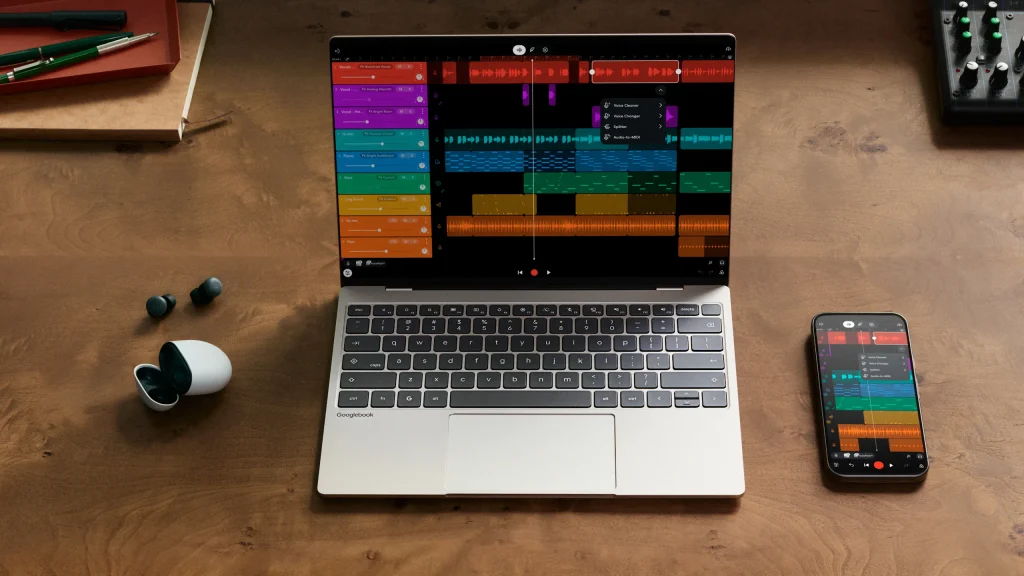
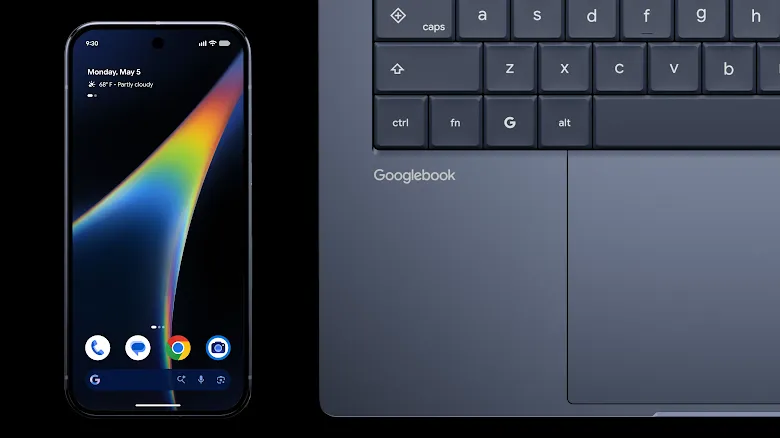
The idea is straightforward: Android users already spend much of their time on smartphones, so Google wants the laptop to feel like a natural extension of that experience.
Googlebook supports native Android applications alongside desktop Chrome and Linux tools. It also introduces deeper connections with Android phones, allowing users to continue tasks, access files and cast applications between devices.
The software uses Google’s Material 3 design language and integrates Gemini Intelligence directly into the computing experience.
Five Googlebook Laptops Announced
Google has launched five initial Googlebook models.
| Model | Starting price | Processor | Display |
| Acer Googlebook 14 | $899 | Intel Core Ultra 5 | 14-inch 2.8K OLED |
| XPS Googlebook | $999 | Snapdragon X Elite | 13.4-inch 2.5K touchscreen |
| Lenovo Googlebook 15 | $1,099 | Intel Core Ultra 5 | 15.3-inch 2.8K OLED |
| ASUS Googlebook 14 | $1,299 | Intel Core Ultra 5 | 14-inch 2.8K OLED |
| HP Googlebook 14 | $1,299 | Snapdragon X Elite | 14-inch 2.8K OLED |
Google’s official store confirms these starting prices and configurations.
Acer Googlebook 14
The Acer Googlebook 14 is the entry point into the new platform, starting at $899.
It features an Intel Core Ultra 5 processor, 16GB RAM and 512GB storage in the listed base configuration. The laptop has a 14-inch 2.8K OLED touchscreen and weighs about 2.51 pounds.
Google rates its battery life at up to 16 hours under controlled web-browsing conditions. It also includes a fingerprint reader and Google’s Titan security hardware.
Acer’s model is also the only convertible design in the initial lineup, allowing users to switch between laptop and tablet-style use.
XPS Googlebook
Dell’s XPS Googlebook starts at $999 and takes a different approach by using Qualcomm’s Snapdragon X Elite processor.
It has a 13.4-inch 2.5K touchscreen, 16GB RAM and 512GB storage in the base configuration. At 2.2 pounds, it is one of the lighter options in the lineup.
Google lists battery life of up to 18 hours for this model under its controlled testing conditions.
The combination of Snapdragon hardware, lightweight construction and long claimed battery life makes the XPS Googlebook particularly focused on portability.
Lenovo Googlebook 15
The Lenovo Googlebook 15 is designed for users who prefer a larger workspace.
It features a 15.3-inch 2.8K OLED touchscreen, Intel Core Ultra 5 processor, 16GB RAM and 512GB storage. It weighs 2.84 pounds and uses a magnesium-alloy and carbon-fiber construction.
The larger display should make the device more suitable for productivity tasks, spreadsheets and multitasking than the smaller 13.4-inch and 14-inch models.
Lenovo also includes Dolby Atmos audio, along with both fingerprint and facial authentication.
ASUS Googlebook 14
The ASUS Googlebook 14 starts at $1,299.
It features an Intel Core Ultra 5 processor, 16GB RAM, 512GB storage and a 14-inch 2.8K OLED touchscreen.
Despite its premium hardware, the laptop weighs just 2.2 pounds. Google rates battery life at up to 16 hours.
ASUS also equips the laptop with a haptic glass touchpad, giving it a more premium interaction experience than traditional mechanical trackpads.
HP Googlebook 14
The HP Googlebook 14 is another $1,299 option, but it uses the Snapdragon X Elite processor rather than Intel hardware.
It has a 14-inch 2.8K OLED touchscreen, 16GB RAM and 512GB storage. The aluminium laptop weighs approximately 2.74 pounds.
HP’s model also supports both fingerprint and facial authentication, giving users multiple biometric login options.
Gemini AI Is Central to Googlebook
Google isn’t simply putting Gemini in a laptop application. The company has designed Googlebook around Gemini Intelligence.
Gemini can assist with tasks directly from the desktop environment, including automations, contextual suggestions and voice-based workflows.
Google is also introducing Rambler, a voice-dictation feature that can turn unstructured spoken thoughts into organized notes and action items. It supports multilingual speech, including switching languages within the same conversation.
Another feature called Create My Widget allows users to describe a widget they want and have Googlebook create it without traditional coding.
These features reflect Google’s broader strategy of making AI part of the operating system rather than keeping it inside a standalone chatbot.
Googlebook and Android Phone Integration
This could be the most important part of the Googlebook strategy.
When an Android phone is connected, Googlebook is designed to provide deeper continuity between the two devices.
Features include:
- Continue On for moving tasks between devices
- Casting Android apps to the laptop
- Shared access to files
- Phone notifications
- Messaging integration
- Shared settings and credentials
- Android application support
Google says Googlebook is built on a shared Android foundation, making the laptop and phone work together more naturally.
The full experience requires compatible Android hardware and software, so users should not assume every feature will work identically with every Android phone.
Native Android Apps and Desktop Software
Googlebook is designed to address one of the longstanding limitations of Chromebook-style computing: the gap between mobile apps and traditional desktop software.
Google says users can run native applications including Adobe Photoshop, Adobe Lightroom and CapCut, while streaming services can support offline viewing where available.
The platform also supports Linux development tools.
Developers receive access to Google Antigravity, Google’s AI agent development platform, along with a full Linux terminal environment. Google says developers can use tools such as Claude Code or Antigravity CLI directly on the device.
Googlebook Security
Security is another area where Googlebook borrows heavily from ChromeOS.
The platform includes Google’s Titan security hardware and on-device malware protection. Google has also introduced an isolated Linux environment using a Level 5 security-certified pKVM hypervisor.
The approach allows developers to access a full terminal environment while keeping the Linux environment isolated from the rest of the system.
For business and developer users, that could make Googlebook more practical than a conventional consumer-focused Chromebook.
Up to 10 Years of Updates

Google is promising a long software-support period for Googlebook.
The company says Googlebook OS will receive regular feature drops and updates for up to 10 years.
That is significant for a laptop category where users often expect a device to remain useful for many years.
Google is effectively treating Googlebook as a long-term computing platform rather than a short-lived hardware product.
Google AI Pro and Other Bundled Benefits
Every Googlebook purchase includes a 12-month Google AI Pro subscription.
Google says the subscription includes 5TB of cloud storage and access to its advanced Gemini tools. The company also includes additional services such as three months of YouTube Premium, Adobe Photoshop and CapCut, alongside other promotional software benefits.
The value of these extras will depend on whether buyers already subscribe to similar services, but they make the launch package more substantial.
Googlebook Price and Availability
Googlebook laptops start at $899 in the US.
Pre-orders opened September 21, with devices arriving in US stores on October 4. Availability follows on October 5 in Canada, the UK, Ireland, France, Germany and Australia.
Google has not announced a complete India launch schedule in the information currently available.
That means Indian buyers should not assume that US pricing will translate directly into Indian pricing or that every model will be sold locally.
What Makes Googlebook Different?
Googlebook’s main differentiator is not simply its hardware.
A 2.8K OLED touchscreen, 16GB RAM and modern Intel or Qualcomm processors are already available across the broader premium laptop market.
Google is instead betting on software integration.
The combination of Android apps, Chrome, Gemini, phone continuity, Linux development tools and long-term software updates creates a platform aimed at users who already live inside Google’s ecosystem.
The success of Googlebook will therefore depend heavily on how well these pieces work together in everyday use.
Final Takeaway
The launch of five Googlebook laptops marks a significant expansion of Google’s ambitions in personal computing.
Starting at $899, the lineup offers a choice of Acer, ASUS, Dell, HP and Lenovo hardware, with OLED displays, Intel or Snapdragon processors, 16GB RAM configurations and long claimed battery life.
But the hardware is only half the story. Google’s bigger pitch is an AI-focused operating system that connects laptops with Android phones, supports native Android applications, integrates Gemini throughout the interface and provides a secure Linux environment for developers.
Googlebook will not replace Chromebooks overnight, but it represents Google’s attempt to move beyond the traditional low-cost Chromebook category and build a premium computing experience around Android and Gemini.
Source: Google