



Meta has introduced a new pair of camera-free AI glasses as the company expands its wearable technology lineup. Announced at Meta Connect 2026, the new audio-only glasses are designed to offer AI assistance, music, calls and translation without including a camera for photo or video recording.
The launch comes as camera-equipped smart glasses face increasing scrutiny over privacy and the possibility of people being recorded without their knowledge. Meta’s new approach removes the camera entirely while keeping many of the hands-free features associated with its AI glasses.
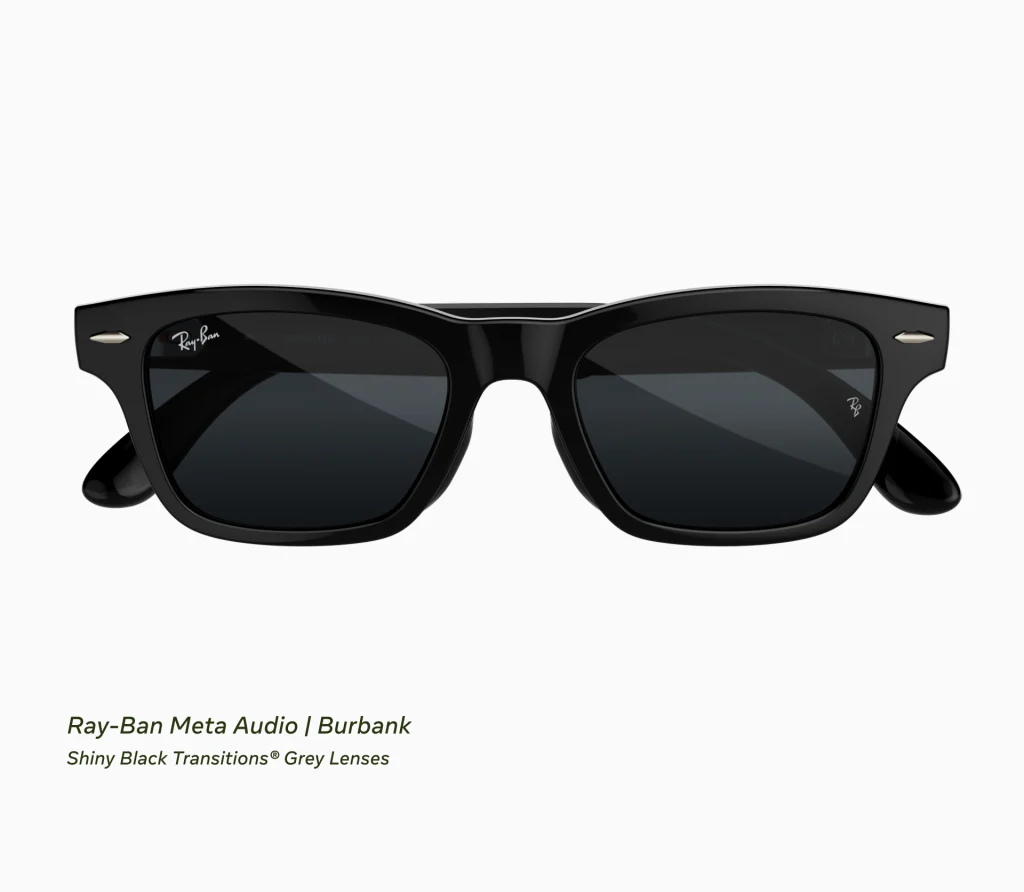
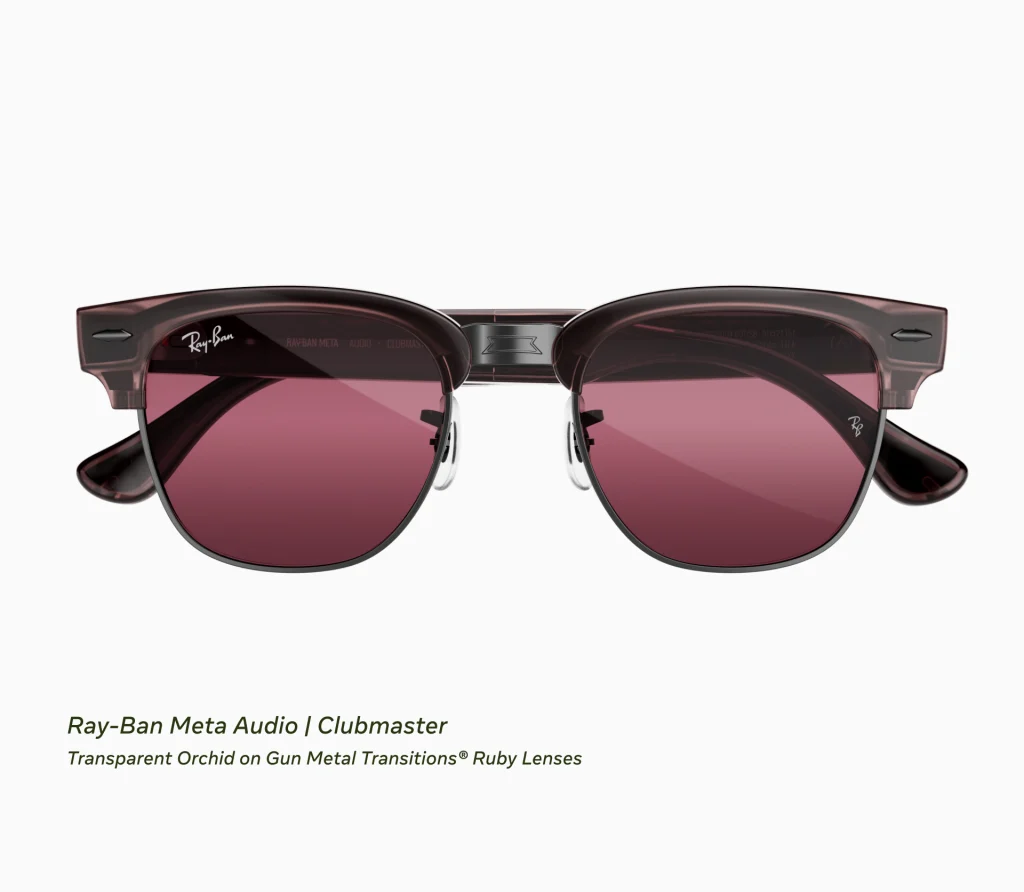
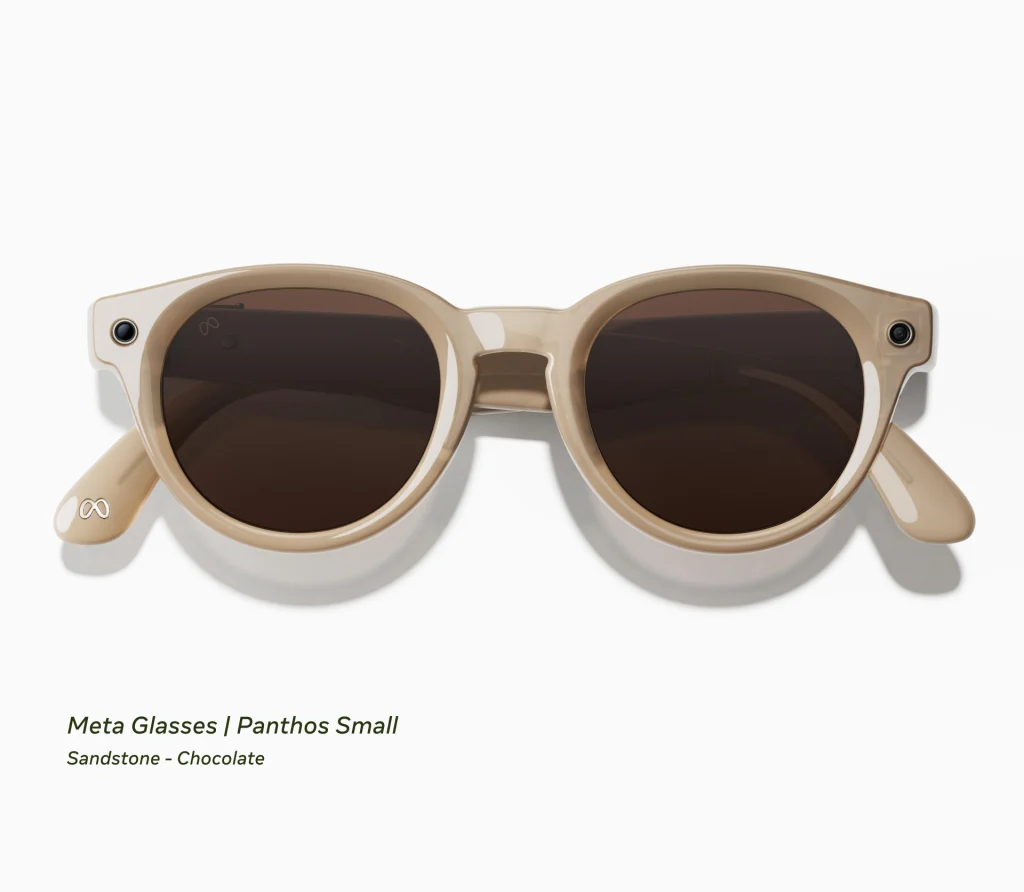
Meta’s Camera-Free AI Glasses
The new glasses are designed primarily around audio and voice-based interactions. Users can listen to music and podcasts, make phone calls, translate speech and interact with Meta’s AI assistant, Muse.
Meta CEO Mark Zuckerberg presented the new glasses at the company’s annual Connect conference in Menlo Park, California. Zuckerberg has also described AI glasses as a potential future upgrade for the large global population that already wears conventional glasses.
Unlike Meta’s camera-equipped smart glasses, the new audio-only model cannot capture photos or videos. This gives the product a different privacy profile while maintaining the hands-free design of the company’s existing wearable lineup.
Price and Availability
The new camera-free Meta AI glasses will start at $349 and are scheduled to begin shipping on October 13, 2026.
Meta is launching the audio-only model alongside other new smart glasses that retain cameras and add updated AI capabilities.
Privacy Concerns Behind the Launch
Privacy has become a major issue surrounding AI-powered glasses. Camera-equipped wearables can record people and their surroundings without requiring the wearer to hold up a smartphone, raising concerns about consent and awareness.
Meta has previously used an indicator light on its camera-equipped glasses to show when recording is taking place. Vishal Shah, Meta’s vice president of AI product, said the company considers making this recording indicator clear to people nearby an important privacy feature.
The camera-free model takes a different approach by eliminating video capture altogether.
However, removing the camera does not mean that privacy questions disappear completely. The glasses still rely on microphones for voice interactions, meaning audio collection and processing remain important considerations for users and people around them.
Meta Expands Its AI Glasses Strategy
Meta’s latest announcement shows that the company is pursuing multiple types of AI glasses rather than relying on a single design.
The new audio-only model focuses on voice, calls and entertainment, while Meta’s camera-equipped glasses continue to provide hands-free image and video capabilities. The company is also developing display-equipped AI glasses and a broader software ecosystem for wearable devices.
Meta’s developer platform allows developers to build experiences around capabilities such as audio, cameras and displays, suggesting that the company sees AI glasses as a broader computing platform rather than simply another accessory.

The Bigger Picture
The launch of camera-free AI glasses highlights an important direction in the wearable technology market: AI glasses don’t necessarily need cameras to be useful.
For people primarily interested in AI assistants, music, calls and translation, removing the camera could make the concept easier to use in environments where recording is restricted or socially uncomfortable.
At the same time, Meta’s continued investment in camera-equipped and display-equipped glasses shows that the company isn’t abandoning more capable versions of the technology.
The new audio-only glasses will therefore serve as another option within Meta’s expanding wearable ecosystem, arriving at a time when privacy is becoming an increasingly important part of the conversation around AI-powered devices.