

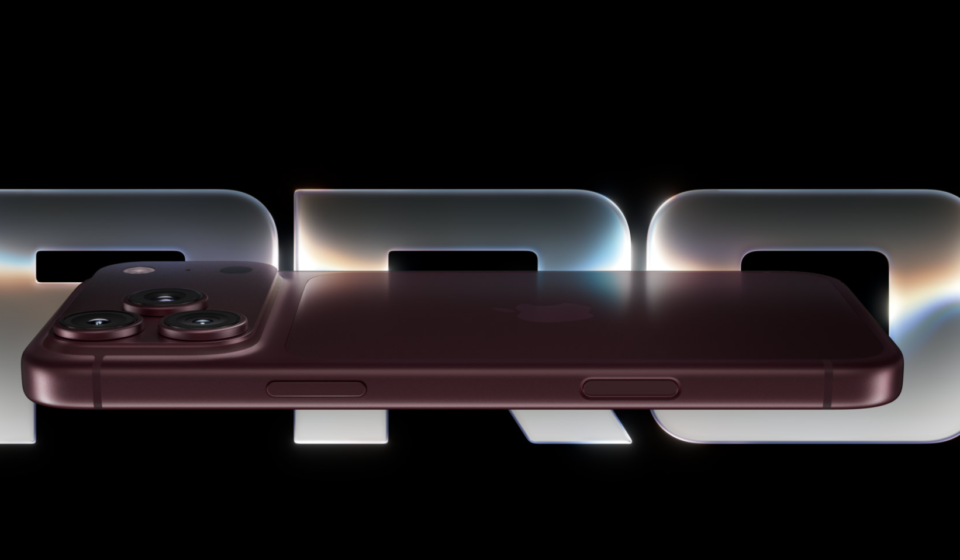

The iPhone 18 Pro is not a radical redesign, but Apple has made one of its most meaningful camera changes in years. The headline feature is a variable-aperture 48MP Fusion Main camera, paired with new Pro Controls that finally give photographers direct access to settings such as aperture, shutter speed and white balance.
That sounds like a niche upgrade. In practice, early hands-on reviews suggest it changes how the iPhone 18 Pro behaves in difficult lighting, close-up scenes and video. PetaPixel, for example, found the camera improvements more significant in actual use than they appeared on Apple’s launch-stage specifications.
The rest of the phone is more evolutionary: Apple’s new A20 Pro chip, redesigned thermal system, longer battery life, smaller Dynamic Island and iOS 27 features make the iPhone 18 Pro a highly capable flagship. But the camera is where this generation has the clearest identity.
iPhone 18 Pro: Design and display
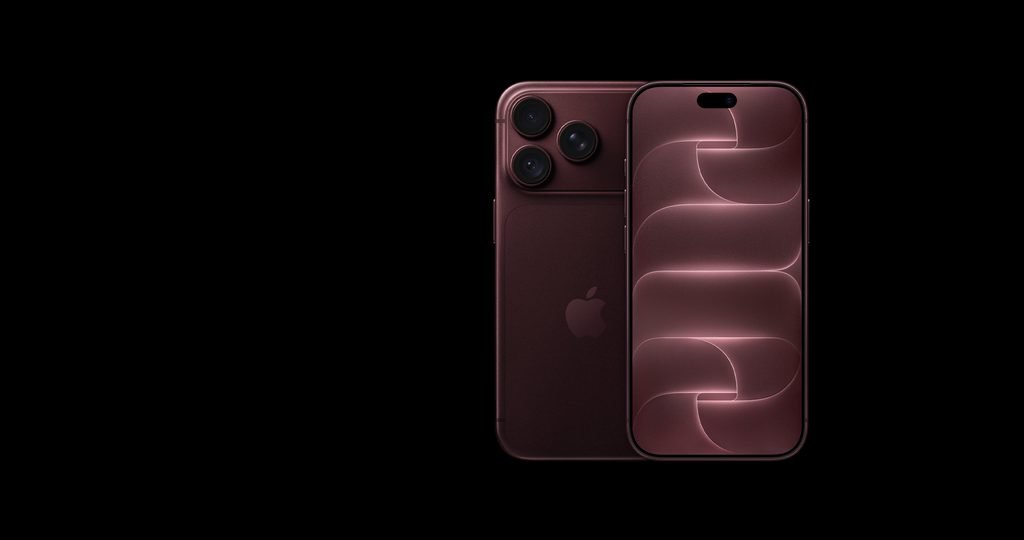
At first glance, the iPhone 18 Pro doesn’t look dramatically different from the iPhone 17 Pro. Apple has retained the broad design language introduced with the previous generation rather than starting over with a completely new chassis.
That isn’t necessarily a problem. The familiar form factor keeps the Pro series recognizable and means the biggest changes are happening underneath the surface.
The Dynamic Island has also been made smaller, while Apple continues to use its premium high-refresh-rate display technology. The result is a phone that feels like a refinement of the previous generation rather than a reinvention.
For anyone upgrading from an older iPhone, the changes will be more noticeable. For iPhone 17 Pro owners, the exterior alone isn’t a compelling reason to switch.
The biggest upgrade is the camera
Apple’s biggest hardware change is the 48MP Fusion Main camera with variable aperture.
This is the first iPhone with a mechanical variable aperture, and it can move between ƒ/1.48, ƒ/1.8, ƒ/2.8 and ƒ/4. The camera can make those adjustments automatically according to the scene, while users can also take control through the new Pro Controls interface.
Why does that matter?
A wider aperture allows more light to reach the sensor. That’s useful in darker environments and can also produce a shallower depth of field. Stopping the aperture down, meanwhile, can help keep more of a scene in focus.
The important point is that the iPhone isn’t forcing users to choose one setting. It can make the adjustment automatically, while photographers who want more control can intervene.
The Verge found the practical benefits relatively subtle in some everyday situations, but noted that the wider ƒ/1.48 setting and additional control can be useful for low-light photography and certain creative shots.
PetaPixel’s hands-on testing was more enthusiastic. After extensive shooting, it found the combination of variable aperture, Pro Controls and improved camera software more meaningful than the launch specifications initially suggested.
Variable aperture isn’t magic
There is an important caveat.
Smartphone cameras use tiny sensors compared with dedicated mirrorless cameras, so changing the aperture doesn’t produce exactly the same photographic effect you’d get from a full-size camera lens.
The practical gains are therefore more nuanced than simply saying the iPhone 18 Pro now has “DSLR-like” photography.
The wider ƒ/1.48 aperture can help gather additional light, while stopping down can improve depth of field in certain situations. But the difference won’t be dramatic in every daylight photo.
That’s why the variable aperture is best viewed as a new layer of control, rather than a feature that transforms every photograph.
Pro Controls finally make sense
The variable aperture becomes more useful because Apple has also expanded manual controls.
The Camera app now lets users adjust settings including aperture, shutter speed and white balance, with additional exposure information available through the interface.
This is significant because iPhone photography has traditionally prioritized automation. That’s great for quick snapshots, but it can be frustrating for photographers who want to deliberately control exposure or motion.
The new system gives advanced users more freedom without forcing everyone else into a manual workflow.
You can still point, shoot and let the iPhone make the decisions. But when a scene demands more control, the tools are now built into Apple’s own camera experience.
Video gets some useful upgrades
The camera improvements aren’t limited to still photography.
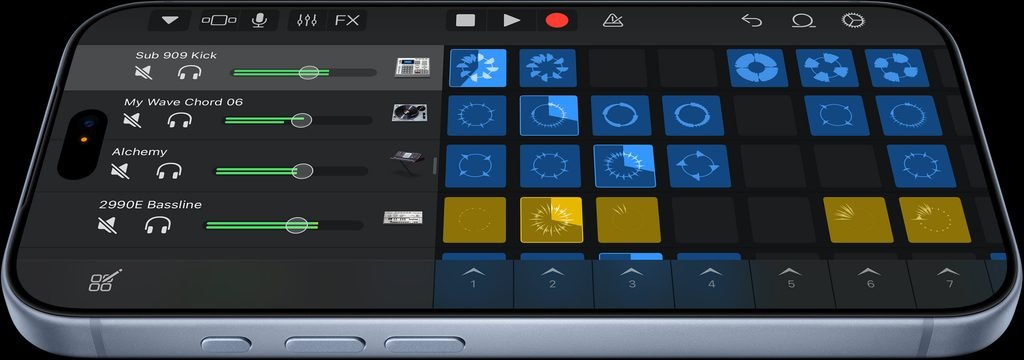
Apple has expanded video capabilities with improved focus tracking and the ability to apply certain Cinematic effects after recording. The phone can also record video at up to 60fps for supported workflows.
The variable aperture could be particularly useful for video because exposure and depth of field can become more complicated when lighting changes during a shot.
PetaPixel’s review also highlighted autofocus tracking as one of the more impressive aspects of the new camera system, particularly for moving subjects.
For creators who use an iPhone as a compact production camera, these are arguably more important than another small increase in image resolution.
A20 Pro delivers the performance
The iPhone 18 Pro is powered by Apple’s A20 Pro chip.
Performance remains one of the phone’s strongest areas, particularly for demanding applications, gaming, photography and video processing. Apple has also redesigned the thermal system with a new vapor chamber, intended to help the phone sustain high performance for longer periods.
This matters because raw benchmark performance is only part of the equation.
A phone can be extremely fast for a few minutes, but sustained workloads such as gaming, video processing and AI tasks can push mobile hardware toward thermal limits. Apple’s focus on cooling is therefore an important part of the A20 Pro story.
Early reviews have generally highlighted strong sustained performance and improved thermal behavior.
Battery life is another major strength
Apple is also promising substantial battery improvements, particularly with the iPhone 18 Pro Max.
The Pro Max gets the largest battery-life improvement Apple has delivered to a Pro model, helped by improvements to the chip, power management and battery capacity.
Independent reviews have also highlighted battery endurance as one of the strongest aspects of the new generation.
For heavy users, this may ultimately be more noticeable day-to-day than some of the camera changes.
Apple Reference Image is an interesting new idea
Another unusual addition is Apple Reference Image, a system designed to help establish the authenticity and editing history of photographs.
It is aimed at a growing problem in the age of generative AI: determining whether an image represents an actual camera capture and identifying subsequent changes.
The system isn’t something every casual photographer will use every day, but it reflects a broader shift in smartphone photography. As AI-generated and heavily edited imagery becomes more common, proving the origin of a photograph becomes increasingly valuable.
PetaPixel notes that Reference Image requires activation and currently works with the main camera’s 1x and 2x capture modes, so it isn’t a universal authentication layer for every image taken on the phone.
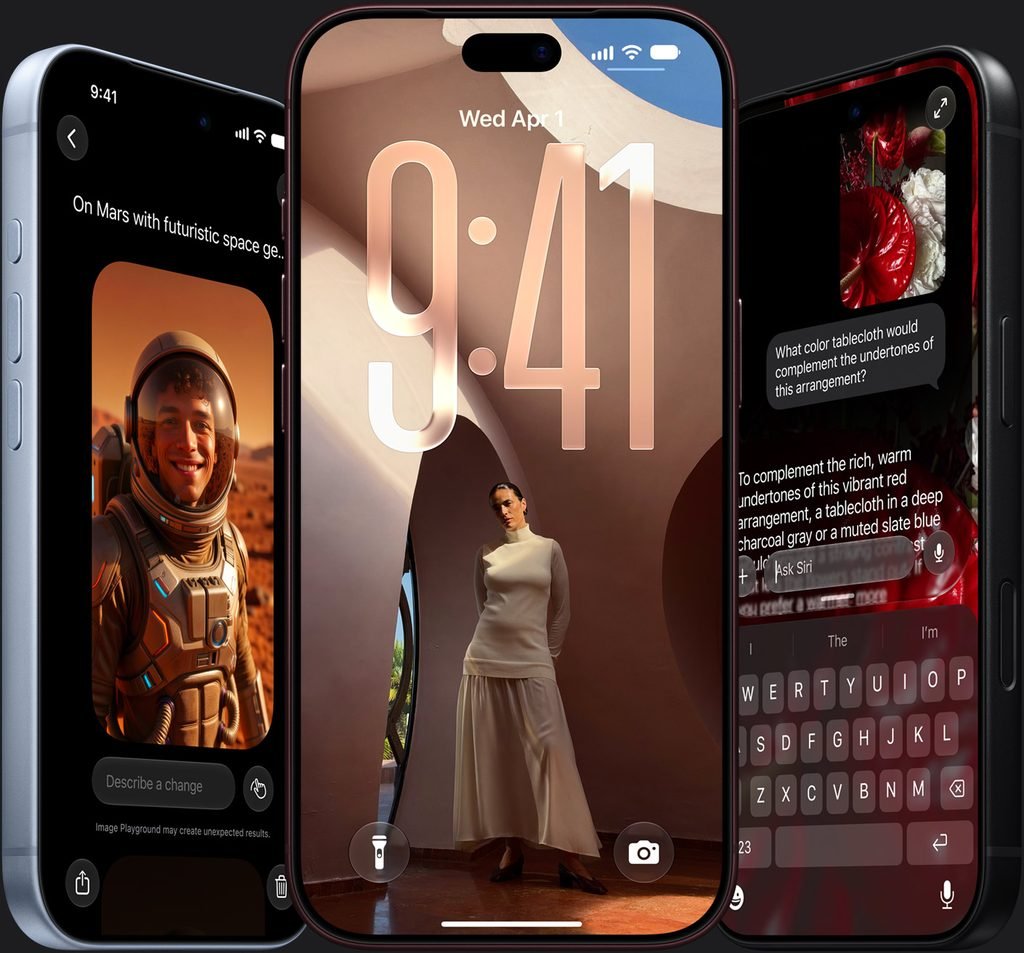
iOS 27 and Apple Intelligence
The hardware arrives alongside iOS 27, bringing the latest generation of Apple’s AI features and a more capable Siri experience.
Apple is positioning AI as an increasingly integrated part of the iPhone experience rather than a standalone chatbot. The A20 Pro provides the processing foundation for those features, while Apple’s broader approach continues to combine on-device processing with cloud infrastructure when required.
How transformative these features feel will depend heavily on the apps and workflows users actually adopt. The camera upgrades, by comparison, are much easier to understand immediately.
iPhone 18 Pro vs iPhone 17 Pro: Should you upgrade?
The answer depends heavily on which iPhone you currently own.
| Feature | iPhone 18 Pro | iPhone 17 Pro |
| Main camera | 48MP with variable aperture | 48MP fixed aperture |
| Pro camera controls | Expanded | More limited |
| Processor | A20 Pro | Previous-generation Pro chip |
| Thermal system | Redesigned vapor chamber | Previous design |
| Dynamic Island | Smaller | Larger |
| AI/software | iOS 27 | Previous iOS generation |
| Battery | Improved | Strong battery life |
| Design | Refined Pro design | Similar Pro design |
For iPhone 17 Pro owners, the upgrade is relatively specialized. The camera controls, variable aperture and improved battery life are the biggest reasons to consider it.
For owners of considerably older iPhones, the case is much broader because the jump in performance, camera capability, display technology and battery life becomes more substantial.
Price and availability
The iPhone 18 Pro starts at $1,199, while the iPhone 18 Pro Max starts at $1,299 in the US. Pre-orders began on September 12, with availability scheduled for September 18.
That represents a $100 increase over the corresponding previous-generation starting prices.
The higher price makes the question of who should upgrade more important. The iPhone 18 Pro is packed with improvements, but buyers shouldn’t expect every change to produce a dramatic difference in everyday use.
iPhone 18 Pro review: Verdict
The iPhone 18 Pro is a refinement-heavy flagship with one genuinely interesting camera evolution.
Its variable aperture isn’t revolutionary in isolation. Other smartphone manufacturers have experimented with similar technology before, and the physical limitations of smartphone cameras mean the benefits aren’t equally visible in every situation.
But Apple’s implementation is compelling because it combines the aperture with Pro Controls, stronger autofocus tracking, improved video tools and updated computational photography.
That’s what makes the iPhone 18 Pro camera more interesting than its specification sheet initially suggests.
Add the A20 Pro, improved cooling, stronger battery life and iOS 27, and the iPhone 18 Pro becomes a highly capable premium smartphone.
The bigger question is whether you need all of that.
For photographers, videographers and users upgrading from an older iPhone, the new camera system offers meaningful new capabilities. For someone already using an iPhone 17 Pro, the differences are more incremental and centered largely around photography, controls and battery life.
The iPhone 18 Pro isn’t about reinventing the iPhone. It’s about giving Apple’s Pro users more control over what the camera can do and this time, that extra control actually matters.
Apple’s official iPhone 18 Pro announcement — Official specifications and feature information.